The Ten Protocols of Fish Handling
|
EGO® Fishing shares widely accepted standards for sustainable catch-and-release |
|
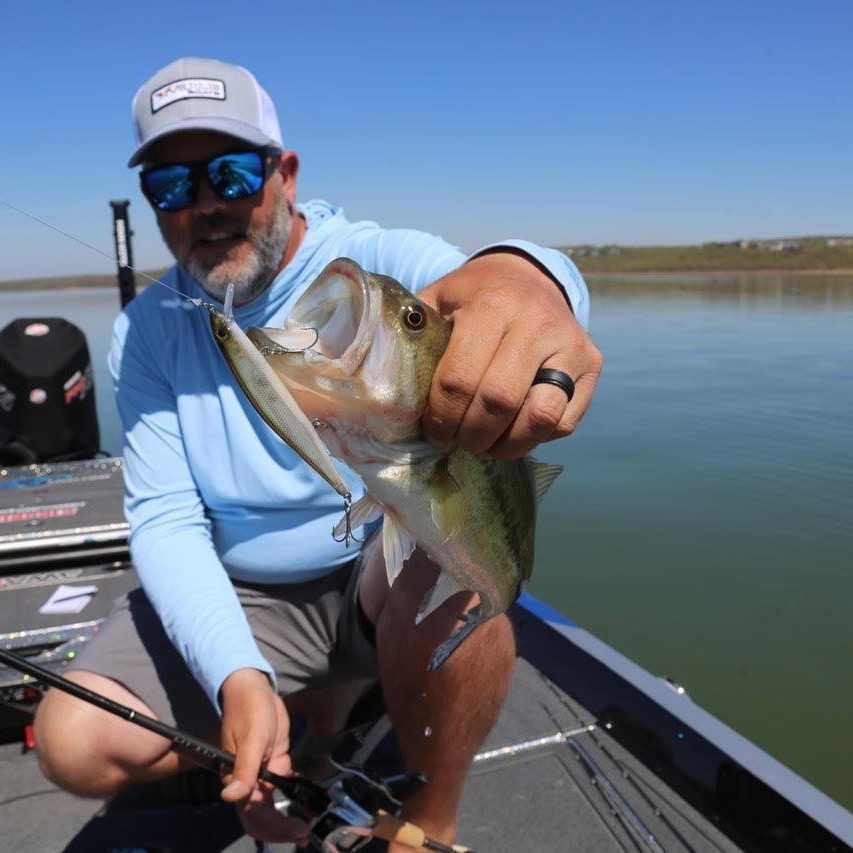
Caldwell, ID (April 8, 2026) – In the modern era of angling, a successful catch is no longer measured solely by the selfie or poundage in the cooler, but by the health of the fish upon release. As pressure on our waterways increases, the responsibility of the angler evolves from simple participation to active resource stewardship. EGO Fishing recognizes that the transition from the hook to the water is the most critical window in a fish’s life cycle—a high-stress period where technical gear and precise handling determine long-term survival. To bridge the gap between performance and conservation, we have established the following 10 protocols. These are not merely suggestions – they are the benchmarks required to ensure that every trophy caught today remains a viable part of the ecosystem tomorrow.  Protocol I: Pre-Contact Hydration The fish’s primary defense against infection is the mucosal slime coat. Dry skin or abrasive boat surfaces act as a desiccant, stripping this layer. Protocol: Anglers should thoroughly wet their hands and any contact surfaces before touching the fish. If your hands aren’t wet, do not make contact. |
|

|
Protocol II: Non-Abrasive Netting Selection Legacy nylon netting is a known cause of fin-splitting and scale loss. Protocol: Utilize specialized rubber or PVC-coated netting. The smooth surface of a rubber mesh hoop on an EGO S2 Slider cradles the fish while maintaining the integrity of the slime coat and preventing hook snags. |
|

|
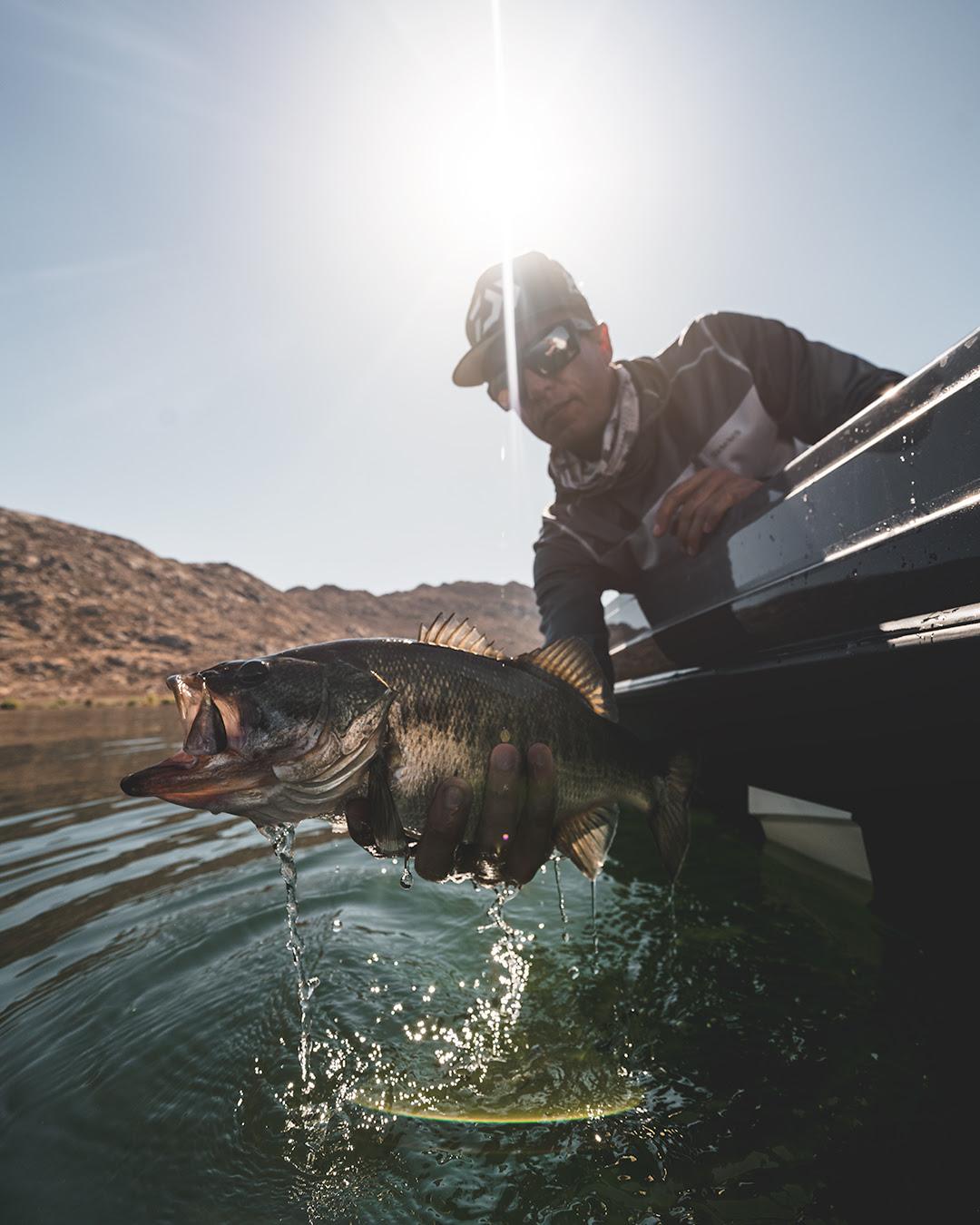
Protocol III: Submerged Hook Extraction Air exposure is a primary stressor that leads to metabolic collapse. Protocol: Once the fish is secured in the hoop, keep the net submerged while preparing tools. Perform the unhooking while the fish is still in the water whenever the situation allows. |
|

|
Photo courtesy of DAIWA |
|
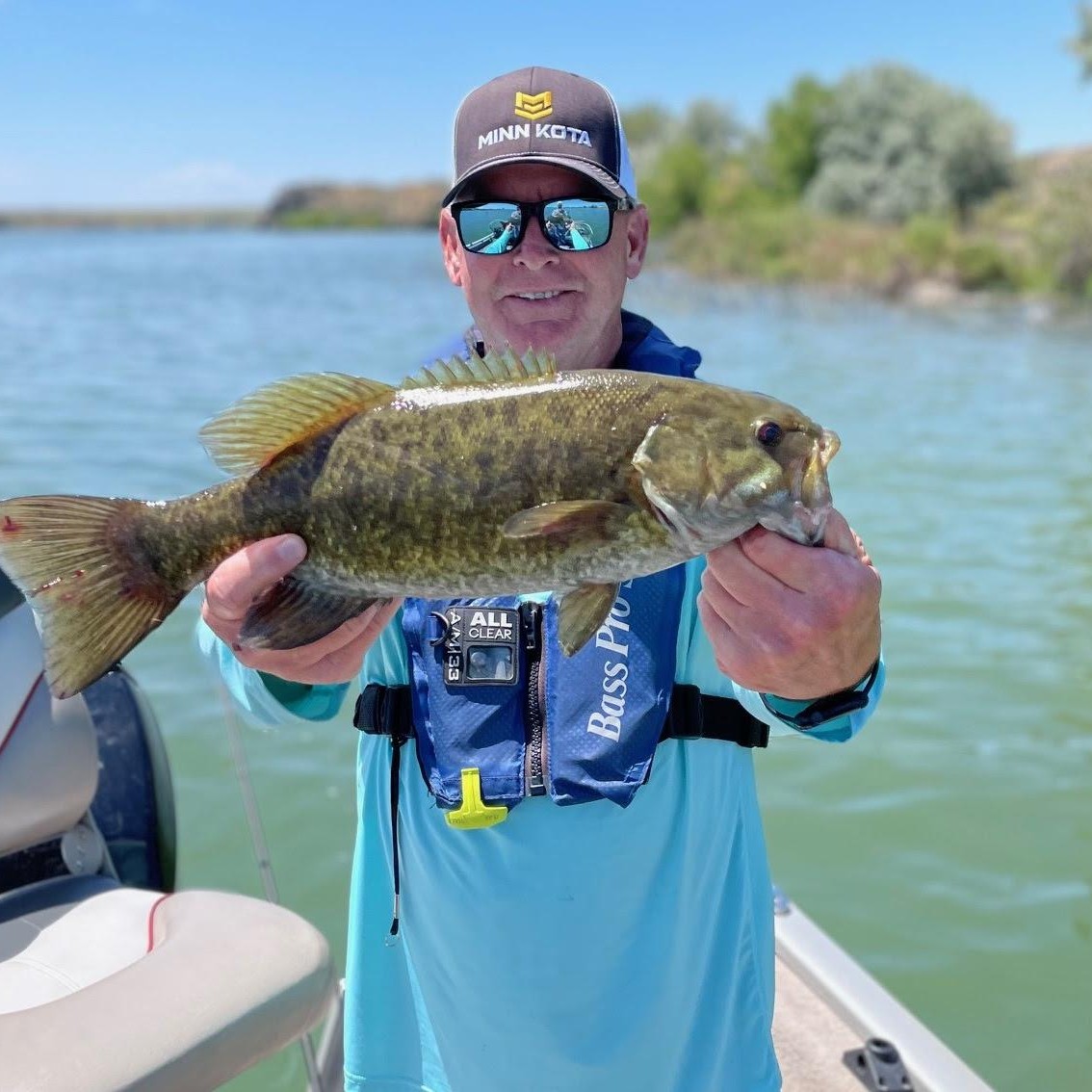
Protocol IV: Bilateral Weight Distribution Gravity is an unnatural force for aquatic species – vertical holds by the jaw can cause internal organ displacement or skeletal damage. Protocol: Always provide a horizontal cradle. Use one hand for a controlled jaw grip and the second hand to support the belly, distributing the fish’s mass evenly. |
|

|
Photo courtesy of DAIWA |
|
Protocol V: Linear Revival Dynamics Fish gills function as one-way valves designed for forward-moving water. Protocol: When reviving, hold the fish upright and move it in a slow, forward-only motion. Never pump a fish backward, as this causes the gill filaments to collapse and hinders oxygen exchange. Protocol VI: The Breathing Benchmark A simple metric for survival: If you can’t breathe, they can’t breathe. Protocol: Limit total out-of-water exposure to the duration you can comfortably hold your own breath. If the fight was grueling, the fish requires immediate and extended water immersion. |
|

|
Protocol VII: Geometric Interception The danger zone for both the angler and the fish is the final ten feet at the boat. Protocol: Use the extended reach of the S2 Slider to intercept the fish further from the gunwale. This minimizes the violent, high-stress thrashing that occurs when a fish is brought too close to the boat’s vibration and shadows. |
|

|
EGO’s new FIRESTEEL Tool Kit includes pliers, hook remover and fish gripper amongst other fishing gear. |
|
Protocol VIII: Tool Readiness & Staging Fumbling for gear while a fish is on the deck is the leading cause of avoidable mortality. Protocol: Pliers, grippers, hook remover, and camera must be staged and accessible before the first cast of the day is made. Protocol IX: Ocular and Branchial Avoidance The gills (branchial arches) and eyes are the most vulnerable anatomical points. Protocol: Keep fingers clear of the gill plates and eye sockets. Any damage to the vascular gill structure is typically fatal, regardless of how strong the fish swims away. |
|

|
Photo courtesy of DAIWA |
|
Protocol X: Autonomous Release Verification A successful release is a hand-off, not a toss. Protocol: Maintain a gentle grip on the fish in a swimming position until it regains full equilibrium. Do not release the fish until it demonstrates an active, autonomous kick to exit your grasp. |
|

|
The Future of the Catch By adhering to these 10 Protocols of Fish Handling, anglers transition from passive observers to active participants in the long-term health of our fisheries. The integration of advanced landing tools, such as the EGO S2 Slider, with scientifically-backed release techniques ensures that every encounter—from the initial strike to the final release—is managed with the highest level of precision. Ultimately, the survival of the resource depends on the critical window of time between the net and the water – these protocols serve as the definitive roadmap for the modern, conservation-minded angler to ensure that today’s trophy is tomorrow’s sustainable success. |