Fish Tip Friday – Bring the Thunder with Heavy Bladed Jigs
By Vance McCullough, AC Insider
Bladed jigs dominate. In bass tournaments. Just fun fishing. From pros in big boats to weekend anglers in kayaks to the hardcore shore-bound bank beaters, these angry little jigs with a thin metal blade attached to the head have been responsible for countless catches, amassing heavy weights and tons of tournament cash.
They all work, to an extent, but as with any tool we use in pursuit of our sport, some are simply a cut above the rest of the pack.

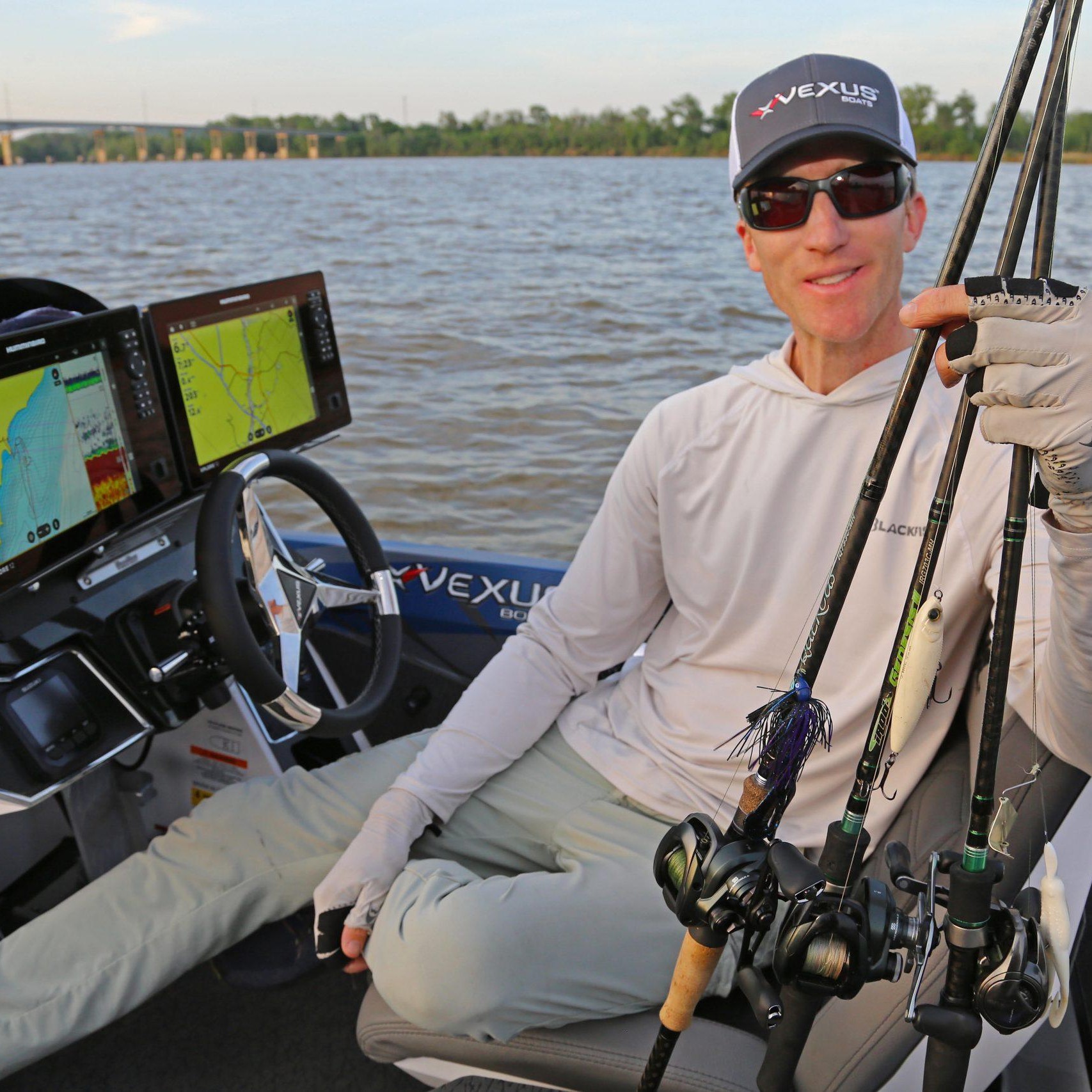
Strike King Pro Tristan McCormick proved he’s a cut above the rest by qualifying for the Bassmaster Elite Series via the gauntlet that is the Bassmaster EQ Series. McCormick used forward-facing sonar and a ‘pinging minnow’ to earn his invite to the big leagues by clearing the final EQ hurdle on Lake Okeechobee recently. He’s good with the latest technology as he demonstrated on a trip to a lake in South Georgia last fall. Then, after he walked us through the particulars of ‘video-gaming’ fish with his electronics, McCormick turned his back to the depths and began to dissect shoreline cover with a Strike King Tungsten Thunder Cricket.
“Three-quarters ounce,” said McCormick, then a hustling, hopeful angler trying to make it to the top of the sport. “Everybody throws a bladed jig, but few people use one this heavy and they’re really missing out. Sure, it works well out there where we just were, but it also shines around shallow cover. You can zip it along and it will stay down, getting solid bites from big fish.
“People might think it’s too heavy to use in the shallows, or that it’ll get constantly hung up, but that blade creates a lot of lift and this bait comes through clean.”
Then again, a little snag here and there allows anglers to pop it out of shallow grass and draw vicious reactions from fish. Contact with cover gives the bait a chance to deflect and carrom off stumps, dock pilings and the grass that begs for a bladed jig in the first place.
Sometimes it’s the lack of noise that counts. “I have more control over a slightly heavier bait,” noted McCormick, “so I can pitch this thing in there with barely a ripple. Let it swing gently from the rod tip and use its momentum to get it in there nice and easy. It’s just suddenly in their face with no warning and then it takes off, rattling away and that draws some mean strikes!”
I’ve had a year to test McCormick’s ideas and I have to give him an assist on the extra bites I’ve generated with the heavier-than-usual vibrating jig.
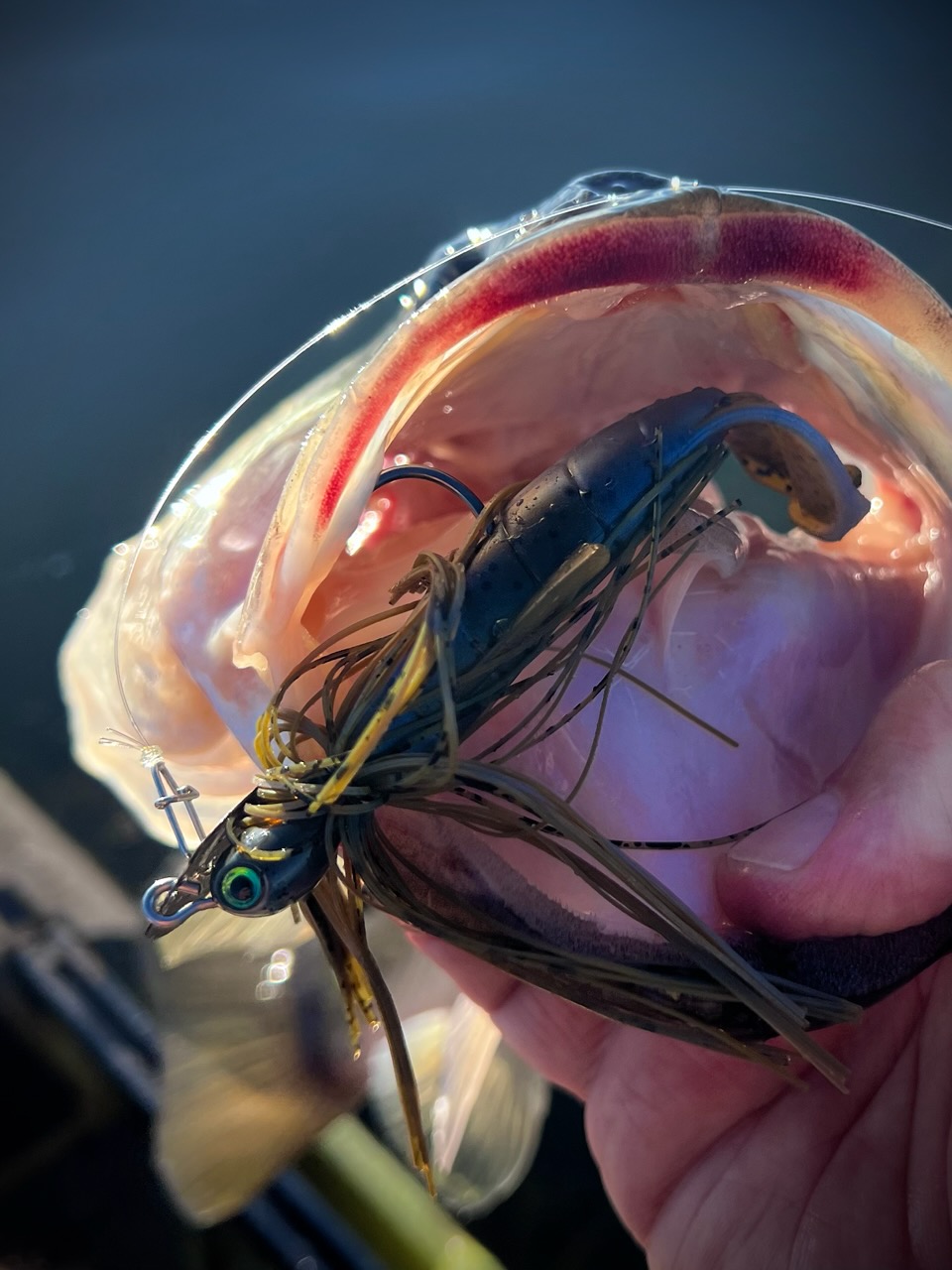
Tungsten construction makes the head small enough to capitalize on the extra weight, keeping it down in the water column. It’s density gives this version of the Thunder Cricket a unique clacking sound that calls bass from cover. Couple that with the tight action that this bait is known for versus other lures in the category and you have a serious weapon on the end of your line.
I was reminded of the 3/4oz’s prowess while fishing offshore hydrilla this week. I used 4 other bladed jigs, including half-ounce Thunder Crickets. I struck out with them. I tied-on the heavier model and instantly hooked a 4-lber. Two casts after releasing that fish, I got soaked by another of equal or greater size that basted the bait at boatside as I was lifting it out of the water.
Needless to say, I fished the 3/4oz tungsten version of my favorite bladed jig the rest of the day and was delighted by the action a half mile from the bank and, later, in the skinniest water I could find. This adaptability makes the heavy bladed jig perfect for finding and catching scattered bass in the fall when a 5-fish limit could come from 5 different places, each with it’s own depth and cover options.
Be ready for anything with the 3/4oz bladed jig!